Unreal? Outrageous? Depressing?
"The Civil Rights Summit" takes place at the LBJ Library in Austin, Texas from April 8-10th. Presidents Carter, Bush 41, Clinton, Bush 43 and Obama will speak.
The topics include "Heroes of the Civil Rights Movement" and "LBJ and MLK Fulfilling a Promise, Realizing a Dream." Pretty heady, right?



 On Monday December 3rd, Diane Wilson
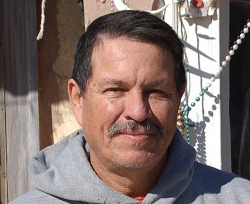 “We are part of America. We are a major city in America, but we do not need to be the sacrifice zone for the nation,” states Houston resident Juan Parras (pictured).
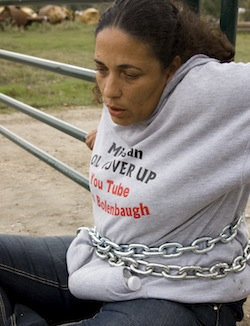 Originally posted in the San Antonio Current,
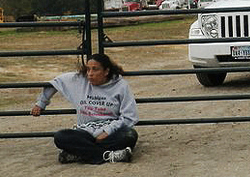 By the time you read this I will be actively engaged in a non-violent direct action designed to bring awareness to the construction of the southern leg of the Keystone XL Pipeline, to this country's continuing use of our cherished Gulf Coast as the nation's energy sacrifice zone, and in defense of our Mother Earth.
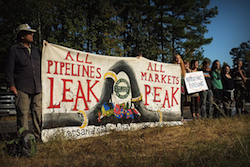 If TransCanada has its way, almost 1.1 million barrels of tar sands oil - the world’s dirtiest, most toxic, and most difficult-to-clean-up-when-it-spills oil - will roll down the Keystone XL pipeline to the Gulf of Mexico.
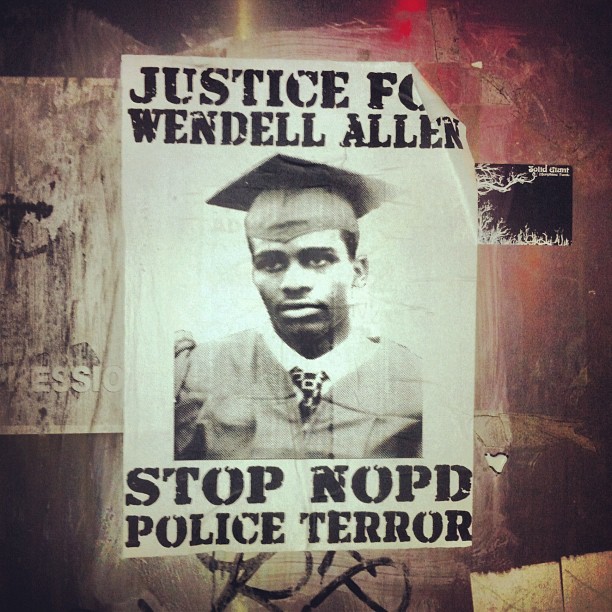 Two controversial stories hit home on the Gulf last week: One, concerning the ill-advised but fated Keystone XL pipeline, which President Obama decided to greenlight the southern portion of, directly impacting the Gulf; and another concerning the troublesome trend of young, African-American males losing their lives after mostly trivial encounters with law enforcement officials, or those pretending to be.
